Archaeological discovery in Britain: unusual Roman-era infant burial
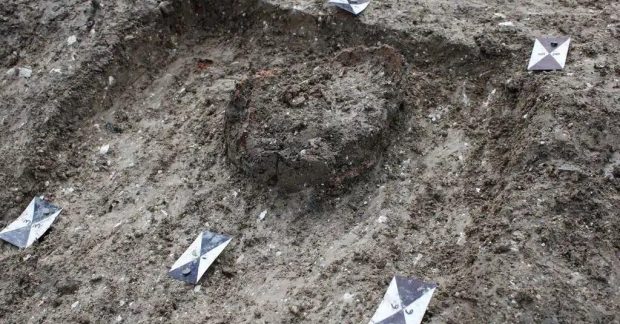
British archaeologists have discovered a unique infant burial in a ceramic vessel dating back to the 3rd–4th century AD.
 🏙️City
Photo: UNIAN
Key points
- 1,700-year-old infant burial found in ceramic vessel
- Birds discovered in the grave as ritual offerings
- Evidence suggests potential Mediterranean influence on local customs
A unique ritual in Buckinghamshire
During site preparations for a new cricket pitch in Wendover, England, researchers uncovered an atypical burial for the region. The remains of a nine-month-old infant were found inside an inverted ceramic pot. While such burial practices were common in the Mediterranean, they are considered rare in Roman Britain.
Alongside the infant's remains, archaeologists found the remains of a chicken and a small songbird. Sharon Clough, a senior human remains consultant at Cotswold Archaeology, suggests that the family may have migrated from the southern parts of the Roman Empire, bringing their specific burial customs with them.
Context of the settlement
Radiocarbon dating places the burial between the 3rd and 4th centuries AD. A total of nine graves were found at the site, indicating that the settlement maintained trade links with distant regions, including Spain and Gaul. Researchers hypothesize that the ceramic vessel served as a symbol of the maternal womb, while the birds were intended as votive offerings.
Source UNIAN — unian.ua/science/arheologi-znayshli-pohovannya-rimskogo-nemovlyati-… ↗
Read next
 🛡️Security
Sea Drone Attack in Libya: Russian Warship Carrying Weapons Destroyed
Marine drones targeted the Russian corvette "Merkuriy" carrying weapons in the Libyan port of Benghazi, resulting in casualties among Russian and Libyan nationals.
 🛡️Security
Rescue operation in Dymer: death toll rises to nine
Rescue teams are clearing rubble in Dymer, Kyiv region, following an attack; a 79-year-old woman was rescued, but the number of confirmed fatalities has increased.
 🚨Events
Electricity Restored in Rivne Region After Russian Attack
Electricity has been restored in the Sarny district of the Rivne region after a Russian attack left over 50 settlements without power.
 🎭Culture & Sport
Preparing roses for winter: tips for gardeners in Kremenets
Experts explain why autumn rose pruning requires caution and how to properly prepare bushes for frost to ensure lush blooms next year.
 🛡️Security
Rescue operation in Dymer: 89-year-old woman pulled from rubble
Search and rescue operations continue in the Kyiv region following a drone strike on a residential building. The death toll has risen to nine.
 🛡️Security
Russian corvette 'Merkury' hit in Libya: suspected drone attack
A Russian naval vessel caught fire in the Libyan port of Benghazi following an explosion, with reports suggesting a potential strike by Ukrainian maritime drones.