How Much Water to Drink for Healthy Blood Pressure: Cardiologists' Advice
Renowned cardiologists have shared the optimal daily water intake to maintain healthy blood pressure and explained the risks of dehydration.
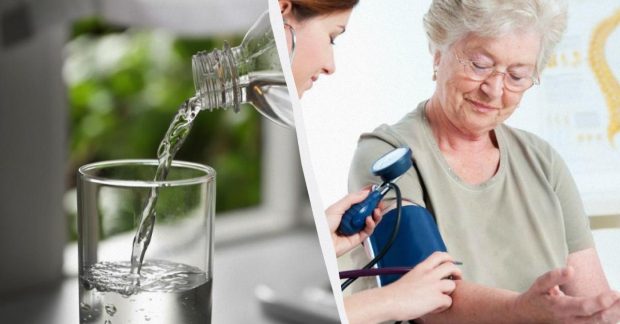 🩺Health
Photo: UNIAN
Key points
- Water intake guidelines are roughly 2.1 liters for women and 3.1 liters for men
- Dehydration can either lower blood pressure or raise it due to hormonal compensatory mechanisms
- Excessive fluid intake poses risks primarily for older adults and those with heart or kidney conditions
- Proper hydration works best alongside sodium reduction, physical activity, and medical guidance
Maintaining an optimal fluid balance is crucial for the proper functioning of the cardiovascular system. Recent recommendations from cardiology experts shed light on how drinking regular water directly impacts blood pressure levels in adults.
Intake Guidelines and Body Impact
According to medical experts, there is no single rigid rule for everyone, but generally, women are advised to consume about 2.1 liters of fluids daily (roughly 9 cups), while men should aim for about 3.1 liters (roughly 13 cups). Specialists emphasize that individual needs may vary based on lifestyle and overall health conditions.
Human blood is primarily composed of water, meaning a lack of fluids directly affects the total volume circulating in blood vessels. Vascular surgeon Dr. William Schutze notes that dehydration decreases circulating blood volume, which can cause blood pressure to drop—especially when standing up quickly—frequently triggering dizziness.
Protective Mechanisms and Overhydration
Conversely, the body attempts to combat fluid shortages by releasing vasopressin, a hormone that helps kidneys retain water and constricts blood vessels, ultimately raising blood pressure. At the same time, excessive fluid intake can also increase blood volume and elevate pressure readings.
Cardiologist Dr. Tisa Saha reminds the public that proper hydration is only one component of overall health. She stresses that lifestyle measures such as reducing sodium intake, increasing physical activity, managing a healthy weight, and following prescribed medical treatments remain far more impactful for blood pressure management.
Source UNIAN — unian.ua/health/shcho-bude-yakshcho-piti-duzhe-malo-vodi-kardiologi… ↗
Read next
 💼Economy
Ukrainian Agriculture Faces Bankruptcy Crisis Amid Port Attacks and Financial Strain
Escalating Black Sea attacks and a severe liquidity crunch are pushing Ukrainian farmers toward bankruptcy, with major industry players warning of a collapse by spring.
 🛡️Security
Threat from the Sky: General Hodges Warns NATO Unprepared for Russian Missile Tactics
Former US Army Europe commander warns that European cities could face massive Russian missile and drone strikes similar to those seen in Ukraine.
 🛡️Security
Terebovlia Community Confirms Death of Soldier Andriy Rohovskyi After 18 Months Missing
After a long period of uncertainty, the community received confirmation of the death of a senior soldier killed by drone strikes in the Donetsk region.
 🇺🇦Ukraine
European Commission Responds to Moscow Invitation and Outlines Security Conditions
The European Commission is aware of the invitation from Russia to visit Moscow but remains focused on multilateral negotiation formats.
 🏛️Politics
SAP Prosecutor Praises NABU Media Team Amid Criticism Over Evidence Quality
SAP prosecutor Rostyslav Batih highlighted the professionalism of NABU's video editors in response to concerns that media campaigns are replacing solid legal evidence.
 🇺🇦Ukraine
NATO Secretary General Mark Rutte rejects Russian demands for 1997 borders
NATO Secretary General Mark Rutte has dismissed Russian proposals to reshape European security as unacceptable.