How overprotective parenting shapes adult life: six key traits identified by psychologists
Researchers and psychologists explain the long-term consequences of helicopter parenting and how excessive childhood control affects adult behavior.
 👥Society
Photo: UNIAN
Key points
- Overprotective parenting hinders the development of personal autonomy in children.
- Constant surveillance often creates emotional distance and secrecy in adulthood.
- Adults raised with hyper-parenting may struggle with trust and decision-making anxiety.
Modern psychological research increasingly highlights the phenomenon of helicopter parenting, where adults attempt to monitor every single step of their children's lives. Using location-tracking apps and constantly demanding updates have become commonplace in many households. However, specialists point out that such intrusive parenting deprives children of the opportunity to develop genuine independence.
The long-term impact of hyper-parenting
According to clinical psychologist Mary Ann Little, excessive parental involvement prevents children from learning how to navigate real-world demands on their own. As a result, individuals who grew up under constant surveillance often exhibit specific behavioral traits well into their adult years.
Experts highlight several common characteristics associated with strict childhood oversight:
- Emotional distance: over time, the constant need for privacy leads adults to share very little with their families.
- A sense of entitlement: growing up with intense focus can translate into unrealistic expectations in adulthood.
- Difficulty with intimacy: associating closeness with a loss of personal autonomy makes it harder to trust others.
- Anxious independence: a strong desire for space is often accompanied by self-doubt due to a lack of independent problem-solving experience in childhood.
Psychologists emphasize that these behavior patterns usually develop as a subconscious defense mechanism against excessive pressure. Recognizing these tendencies can help adults address their underlying anxieties and build healthier relationships.
Source UNIAN — unian.ua/curiosities/6-spilnih-ris-u-doroslih-za-yakimi-v-ditinstvi… ↗
Read next
 🛡️Security
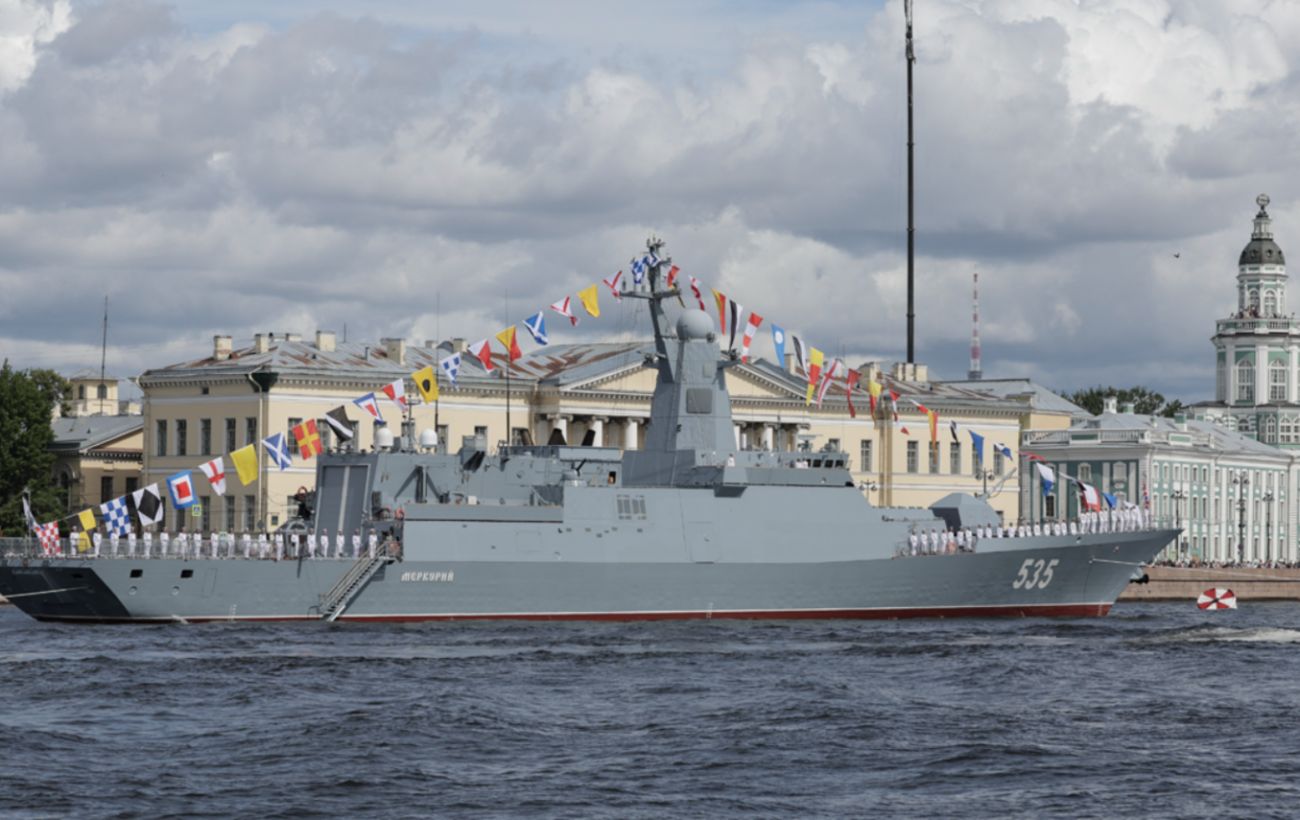
Sea Drone Attack in Libya: Russian Warship Carrying Weapons Destroyed
Marine drones targeted the Russian corvette "Merkuriy" carrying weapons in the Libyan port of Benghazi, resulting in casualties among Russian and Libyan nationals.
 🛡️Security
Rescue operation in Dymer: death toll rises to nine
Rescue teams are clearing rubble in Dymer, Kyiv region, following an attack; a 79-year-old woman was rescued, but the number of confirmed fatalities has increased.
 🚨Events
Electricity Restored in Rivne Region After Russian Attack
Electricity has been restored in the Sarny district of the Rivne region after a Russian attack left over 50 settlements without power.
 🎭Culture & Sport
Preparing roses for winter: tips for gardeners in Kremenets
Experts explain why autumn rose pruning requires caution and how to properly prepare bushes for frost to ensure lush blooms next year.
 🛡️Security
Rescue operation in Dymer: 89-year-old woman pulled from rubble
Search and rescue operations continue in the Kyiv region following a drone strike on a residential building. The death toll has risen to nine.
 🛡️Security
Russian corvette 'Merkury' hit in Libya: suspected drone attack
A Russian naval vessel caught fire in the Libyan port of Benghazi following an explosion, with reports suggesting a potential strike by Ukrainian maritime drones.